Factory-Direct Elevators in Dubai: A Procurement Guide for Developers and Contractors
When a developer or main contractor in Dubai starts pricing vertical transportation for a new tower, villa community, or industrial facility, the elevator line item can quickly become one of the most negotiated — and most misunderstood — parts of the MEP budget. Many procurement teams still default to sourcing through a local trading agent or a multi-layered distributor network, without realizing that buying factory-direct from the manufacturer is now a standard, low-risk option in the UAE market.
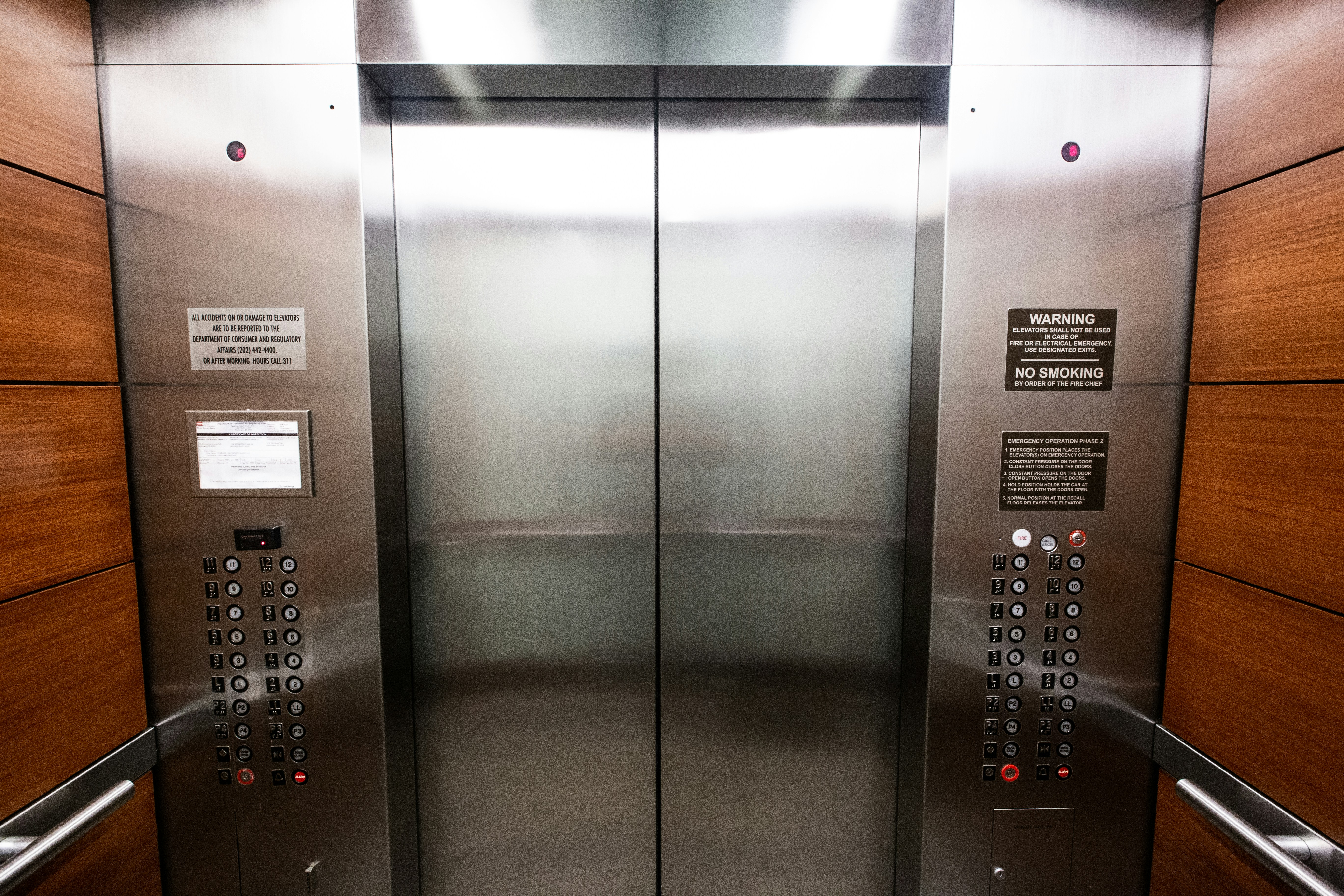
This guide explains what factory-direct elevator supply actually means, how it changes the procurement process, and what developers, architects, and contractors should check before signing a supply contract for a project in Dubai or elsewhere in the UAE.
What "Factory-Direct" Actually Means
In the elevator industry, most buyers interact with one of three supply models:
- Local trading agent: A regional company resells elevators sourced from an overseas manufacturer, adding a margin and acting as a middle layer between the buyer and the factory.
- Licensed assembler: A regional partner assembles imported components locally under license, with limited influence over base specifications.
- Direct-from-factory OEM supply: The buyer contracts directly with the manufacturer, which engineers, produces, tests, and ships the elevator to specification, with a regional office handling sales, technical support, and coordination.
Fuji Lifts Global operates on the third model. The company manufactures passenger, freight, home, hospital, car, panoramic, and machine room-less (MRL) elevators, along with escalators and moving walkways, at its production facility in Suzhou, China, producing over 1,600 units annually. The Dubai office at Central Plaza, DIP 1, exists to serve the Middle East market directly — meaning quotations, engineering discussions, and after-sales coordination happen with the same organization that manufactures the equipment, not a reseller layered on top of it.
Why Procurement Teams Are Shifting to Direct Supply
1. Fewer Margin Layers, More Transparent Pricing
Every intermediary between the factory and the building site adds a markup. On a mid-rise residential project ordering multiple units, those layered margins compound quickly. Buying factory-direct removes that stacking and gives procurement teams a clearer view of what they are actually paying for: manufacturing cost, engineering, shipping, and installation support — not an unclear reseller premium.
2. Customization Without Re-Negotiation Delays
Trading agents typically work from a fixed catalog because they don't control the factory's production line. A direct manufacturer relationship allows genuine customization — cabin finishes, load capacity, speed, door configuration, and control system — to be specified and engineered to order rather than selected from a narrow pre-approved list. For architects designing a distinctive lobby or a developer targeting a specific unit mix, this flexibility often determines whether the elevator fits the building's design intent or forces a compromise.
3. Direct Technical Accountability
When a specification question comes up mid-project — say, a shaft dimension conflict discovered during structural coordination — a direct line to the manufacturer's engineering team resolves it faster than routing the question through a distributor who then has to relay it to the factory overseas. This matters most during the design-development and shop-drawing stages, when clarifications need same-week turnaround to keep the construction program on track.
4. Consistent Quality Standards Across Multi-Unit Orders
Large residential or mixed-use developments often order elevators in batches across multiple phases. Sourcing directly from a single manufacturing facility means every unit in the order — whether installed in phase one or phase three — comes off the same production standard, with consistent components, testing procedures, and documentation.
What to Check Before Signing a Factory-Direct Supply Contract
Buying direct from a manufacturer is only an advantage if the manufacturer has the credentials and local presence to back it up. Procurement teams should confirm:
- Manufacturing scale and track record. Ask how many units the factory produces annually and for how many years it has been operating — this indicates production stability and supply chain maturity.
- Local sales and technical office. A manufacturer with a Dubai-based office can coordinate site visits, shaft surveys, and technical meetings without relying entirely on remote correspondence.
- Compliance documentation. Confirm the elevator model and its safety systems are certified for use under UAE regulations, and request test certificates and component datasheets upfront.
- Product range depth. A manufacturer offering passenger, freight, home, hospital, car, panoramic, and MRL elevators under one roof simplifies procurement for mixed-use developments that need several elevator types on a single project.
- After-sales and maintenance support. Ask how spare parts are stocked locally and what maintenance response times look like once the building is handed over — this is where local presence matters most, long after installation is complete.
Factory-Direct Supply for Different Project Types
The advantages of direct sourcing apply differently depending on the project:
- Residential towers and villa communities: Benefit most from customization — cabin design, capacity, and speed tailored to unit count and expected traffic.
- Commercial and mixed-use developments: Benefit from having one manufacturer supply multiple elevator types (passenger, freight, MRL) under a single coordinated contract.
- Hospitality and healthcare facilities: Benefit from direct engineering input on specialized requirements, such as bed-sized cabins or higher load ratings.
- Industrial and logistics buildings: Benefit from competitive factory pricing on freight elevators ordered in volume, without a distributor margin inflating per-unit cost.
How the Procurement Timeline Typically Works
A factory-direct order generally follows this sequence: initial specification and quotation based on architectural and structural drawings, technical review and shaft/pit dimension confirmation, contract signing, production scheduling at the factory, manufacturing and factory testing, shipping and customs clearance, and finally on-site installation and commissioning by the local technical team. Because the manufacturer controls both the production and the regional coordination, procurement teams get a single point of accountability across this entire timeline rather than juggling separate factory and distributor communications.
Common Misconceptions About Buying Direct from the Factory
Procurement teams new to the direct-supply model often hesitate because of assumptions that don't hold up in practice:
"Direct supply means no local support."
This was a fair concern a decade ago, when many overseas manufacturers had no regional presence at all. It's less true today. A manufacturer with a dedicated Middle East sales office — as opposed to a factory that only ships on request — can still provide site coordination, technical meetings, and after-sales response comparable to a local distributor, while keeping the pricing and engineering advantages of going direct.
"Customization takes longer than buying off a catalog."
Custom specification does add engineering time compared to picking a pre-built unit, but for most mid- and high-rise projects, elevators are on the critical path regardless of sourcing model — shaft construction, testing, and commissioning take time no matter who supplies the equipment. Ordering early and locking specifications during the design-development phase absorbs this difference without extending the overall construction program.
"Factory-direct is only viable for very large orders."
Volume does improve pricing, but manufacturers with high annual production capacity can accommodate single-unit villa orders and small commercial projects on the same terms as multi-unit developments, since the production line isn't being reconfigured specifically for one client's order size.
A Smarter Way to Procure Vertical Transportation
For developers, architects, and contractors managing tight budgets and demanding construction schedules in Dubai, factory-direct elevator supply offers a combination that's hard to match through traditional distribution: competitive pricing, genuine customization, and direct technical accountability from specification through handover.
Fuji Lifts Global brings over 25 years of manufacturing experience and a production capacity of more than 1,600 units annually to project teams across the UAE, backed by a dedicated Dubai sales and technical office. To learn more about the company's manufacturing capabilities, visit the About Us page, or explore the full range of solutions on the Fuji Lifts Global homepage.
If your project is at the specification or budgeting stage, contact Fuji Lifts Global at +971 50 824 5473 or [email protected] to discuss factory-direct pricing and technical support for your next development.
