Moving Walkways in Dubai: A Complete Guide for Airports, Malls, and Transit Hubs
Walk through Dubai International Airport, Dubai Mall, or Expo City and you will notice a piece of vertical (and horizontal) transportation equipment that rarely gets the spotlight: the moving walkway. Also known as a travelator or autowalk, this equipment moves large volumes of pedestrians efficiently across long distances without the fatigue of walking. As Dubai continues to build ever-larger airports, malls, and transit hubs, moving walkways have become essential infrastructure rather than a luxury add-on.
In this guide, we explain what moving walkways are, where they are used in Dubai, how they differ from escalators, and what building owners and developers should consider when specifying them for a new project.
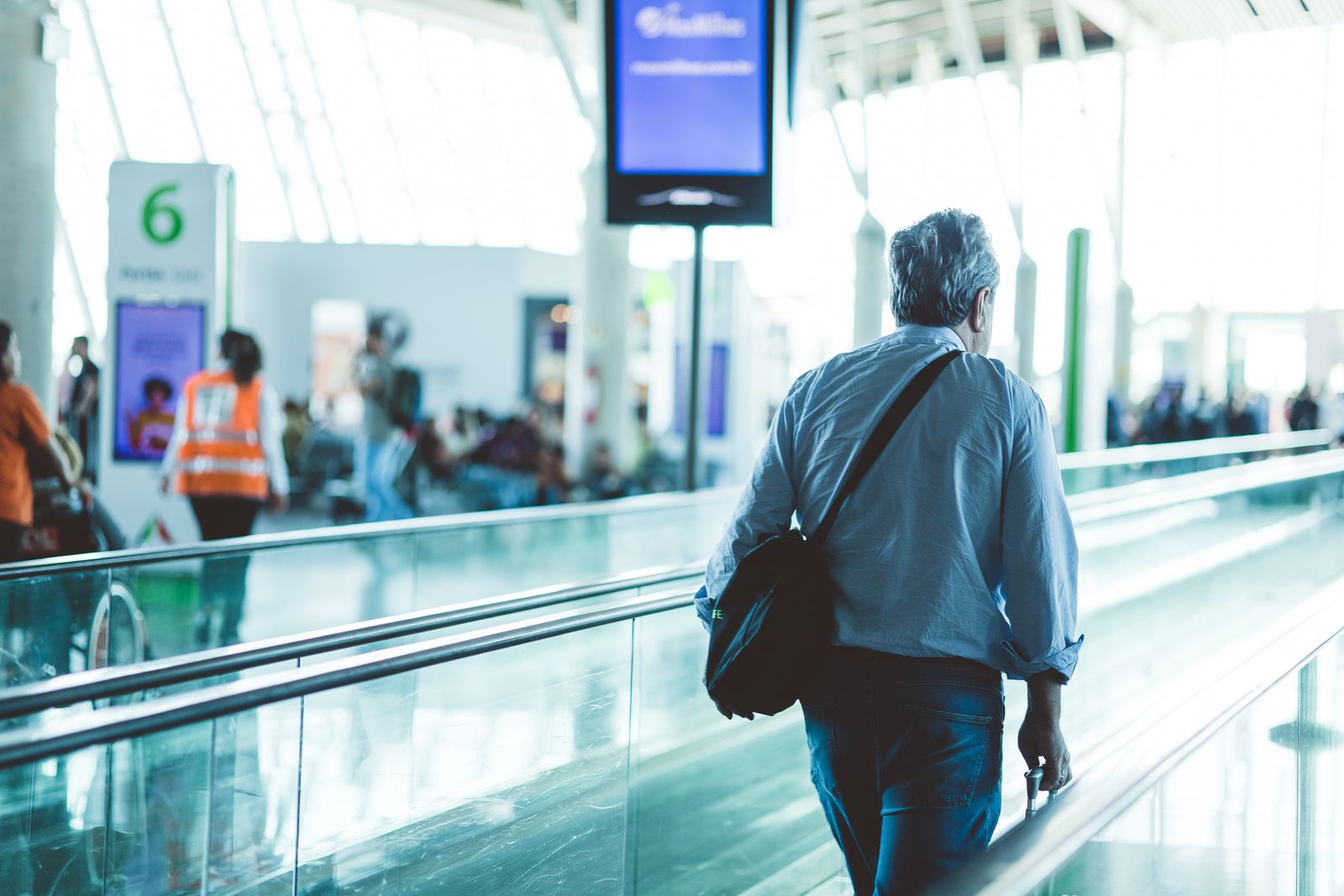
What Is a Moving Walkway?
A moving walkway is a slow-moving conveyor mechanism that transports pedestrians across flat or gently inclined surfaces, typically at speeds between 0.5 and 0.75 meters per second. Unlike an elevator, which moves people vertically, or an escalator, which moves people at a steep incline, a moving walkway is designed for horizontal or low-gradient travel over long distances.
Moving walkways are built using the same core engineering principles as escalators — a pallet or belt system driven by a chain and motor, moving along a fixed truss — but adapted for flat or slightly inclined applications. Many facilities also use inclined moving walkways (angled between 10 and 12 degrees) to connect different floor levels without stairs.
Where Moving Walkways Are Used in Dubai
Dubai's rapid growth in aviation, retail, and transit infrastructure has created strong demand for moving walkways across several building types:
- Airports: Dubai International Airport (DXB) and Al Maktoum International Airport use long runs of moving walkways to help passengers cover the extended distances between check-in, security, gates, and baggage claim.
- Shopping malls: Large malls use inclined moving walkways to connect levels while allowing shoppers to keep pushing trolleys or carrying bags without navigating steps.
- Metro and transit stations: Dubai Metro stations and multi-modal transit hubs rely on moving walkways to move commuters efficiently between platforms, concourses, and exits during peak hours.
- Exhibition centers and convention venues: Large-footprint venues such as Expo City and Dubai World Trade Centre use moving walkways to connect distant halls and reduce visitor fatigue.
- Hotels and mixed-use developments: Large resort and hospitality complexes use them to link lobbies, parking structures, and amenity areas spread across expansive layouts.
Moving Walkways vs. Escalators: Key Differences
Developers often ask whether a project needs a moving walkway, an escalator, or both. The two systems serve different purposes:
Orientation and Distance
Escalators are built for vertical travel between floors over a short run. Moving walkways are built for horizontal or gently inclined travel over long distances, often 20 meters or more.
Passenger Behavior
Escalators typically carry standing passengers at a steeper angle for a shorter time. Moving walkways allow passengers to stand still or continue walking, which is particularly useful for travelers with luggage, trolleys, or wheelchairs.
Speed and Capacity
Moving walkways generally run slightly slower than escalators but are built wider and longer to accommodate higher continuous passenger flow over extended distances, which is critical in airports and transit hubs during peak periods.
Key Specifications to Consider
When specifying moving walkways for a Dubai project, developers, architects, and procurement teams should evaluate several technical factors:
- Length and incline: Determine whether the application calls for a flat horizontal walkway or an inclined unit, and confirm the maximum incline angle suits passenger comfort and safety.
- Pallet width: Wider pallets accommodate trolleys, wheelchairs, and heavier luggage flow, which matters for airport and mall applications.
- Balustrade and handrail design: Glass balustrades with synchronized moving handrails improve both safety and aesthetics in high-visibility public areas.
- Load capacity: Confirm the unit's rated capacity matches expected passenger volume, particularly for high-traffic transit and airport applications.
- Energy efficiency: Look for variable-frequency drives and standby modes that slow or pause the unit during low-traffic periods to reduce energy consumption.
- Climate resilience: Given Dubai's heat and humidity, components should be rated for reliable operation in demanding indoor and semi-outdoor environments.
Maintenance and Safety Considerations
Moving walkways operate continuously in high-footfall public environments, which makes routine maintenance essential. Regular inspection of the drive chain, pallets, handrail tension, comb plates, and safety sensors helps prevent breakdowns and ensures compliance with UAE safety standards for public conveyance equipment. Facility owners should schedule maintenance during low-traffic hours to minimize disruption while keeping the equipment in continuous, reliable service.
Safety features such as emergency stop buttons, skirt brush deflectors, and speed-monitoring sensors should be tested regularly as part of a preventive maintenance program, alongside the broader elevator and escalator safety checks required for the building.
Why Factory-Direct Supply Matters
Moving walkways are long-term infrastructure investments that need to withstand years of continuous public use. Sourcing directly from an experienced manufacturer gives developers greater control over specifications — pallet width, incline angle, balustrade finish, drive system — while avoiding the markups and communication delays that come with multiple layers of distribution.
As a manufacturer with over 25 years of experience producing passenger elevators, escalators, and moving walkways, Fuji Lifts Global supplies factory-direct vertical and horizontal transportation solutions engineered for the demands of Dubai's airports, malls, and transit infrastructure. Every unit is built to order with the specifications a project actually needs, backed by direct manufacturer support throughout planning, installation, and maintenance.
Planning a Moving Walkway Installation
For developers and contractors planning a new terminal, mall extension, or transit facility, early coordination with the equipment supplier is essential. Structural pit and truss requirements, power supply capacity, and passenger flow modeling should all be finalized during the design stage — not after construction has begun. Working with a manufacturer that offers engineering consultation from the outset helps avoid costly redesigns later in the project.
Lead times for custom moving walkways depend on unit length, balustrade specification, and factory production schedules, so it is worth engaging a supplier as soon as the building's pedestrian flow requirements are known. Coordinating civil works — such as pit depth, truss support beams, and floor finishing around the entry and exit landings — early in the construction program prevents delays once the equipment arrives on site.
Passenger Flow and Capacity Planning
One of the most overlooked steps in specifying a moving walkway is passenger flow modeling. Airports and transit hubs experience sharp peaks in foot traffic around flight departures or train arrivals, and a walkway sized for average traffic can become a bottleneck during these peaks. Engineers typically model expected passengers per hour, luggage volume, and dwell time to determine the correct pallet width and number of parallel units required.
Malls and hospitality venues face a different challenge: passenger flow is more evenly distributed throughout the day but must account for shoppers with trolleys, strollers, and wheelchairs. In these settings, wider pallets and gentler inclines are usually prioritized over raw speed.
Frequently Asked Questions
How long can a moving walkway be?
Moving walkways can be manufactured in continuous runs of well over 100 meters, though very long distances are often split into multiple sections with landings in between to allow for maintenance access and passenger rest points.
Are moving walkways suitable for outdoor use?
Yes, with appropriate weatherproofing and climate-rated components. In Dubai's climate, outdoor or semi-outdoor installations require enhanced corrosion resistance, heat-tolerant lubricants, and dust protection to maintain reliable performance year-round.
How much maintenance do moving walkways need?
Given their continuous operation in high-traffic public areas, moving walkways typically require more frequent inspection than elevators — commonly monthly or bi-monthly — covering the drive chain, pallets, handrail synchronization, and safety sensors.
Can moving walkways be customized for branding or interior design?
Yes. Balustrade glass, skirt panel finishes, and lighting can be customized to match a terminal, mall, or hotel's interior design language while maintaining full compliance with safety standards.
Get in Touch
Whether you are planning an airport terminal, a shopping mall expansion, or a transit hub in Dubai, choosing the right moving walkway solution starts with the right partner. To learn more about Fuji Lifts Global's full range of vertical transportation products, including elevators, escalators, and moving walkways, visit our About Us page or reach out to our Dubai team to discuss your project's specifications and timeline.
