Elevator Spare Parts and After-Sales Support in Dubai: Why Factory-Direct Supply Matters
An elevator is only as reliable as the parts behind it. In Dubai's fast-moving construction market, developers and facility managers often focus heavily on the initial purchase decision — cabin design, speed, load capacity — and give far less thought to what happens five, ten, or fifteen years later when a door operator, drive board, or safety relay needs replacing. That oversight can be costly.
When a critical component fails and the original part is no longer available, or available only after weeks of shipping delays, the building suffers downtime, tenants are inconvenienced, and in commercial properties, revenue is lost. This is why spare parts availability and after-sales support deserve the same scrutiny as the elevator specification itself.
Why Spare Parts Continuity Is a Real Risk in the UAE Market
The UAE imports elevator equipment from manufacturers across the world, and not every supplier maintains the same level of long-term commitment to the region. Several factors make spare parts continuity a genuine concern for building owners:
- Discontinued product lines: Some brands phase out models within a few years, leaving older installations without a direct parts match.
- Third-party resellers: Elevators sourced through local trading agents, rather than directly from the manufacturer, can mean the agent has no direct line to the factory when a non-standard part is needed.
- Import and customs delays: Parts shipped individually from overseas factories can take weeks to clear, during which the elevator sits out of service.
- Proprietary control systems: Some manufacturers deliberately restrict access to firmware, diagnostic tools, or controller boards to lock customers into expensive service contracts.
For a villa with a single home lift, a short delay is an inconvenience. For a commercial tower or hospital with hundreds of daily elevator trips, it is an operational and safety issue. A single traction elevator in a 30-storey residential tower can carry several hundred trips per day; when it goes out of service for an avoidable parts delay, the knock-on effect reaches every resident, from elderly occupants who depend on it to move at all, to delivery and maintenance staff trying to access upper floors.
Facility managers in Dubai frequently report that the single biggest driver of extended elevator downtime is not the complexity of the repair itself, but the wait for a replacement part to clear customs or arrive from an overseas warehouse. A control board or door operator that could be swapped in an afternoon instead keeps a lift offline for two or three weeks while the part is sourced, shipped, and cleared. This is the hidden cost of choosing a supplier purely on the headline price of the installed unit.
The Factory-Direct Advantage
As a factory-direct manufacturer producing over 1,600 units annually, Fuji Lifts Global approaches spare parts differently than a trading company that simply resells someone else's product. Because the elevator, the controller, the drive system, and the door mechanism are all engineered and produced under one roof, there is no middleman to chase and no guesswork about compatibility.
What Factory-Direct Supply Means in Practice
- Direct manufacturer records: Every unit's specification is logged at the factory, so the exact part number for a given installation can be identified quickly, even years after handover.
- Consistent product lines: Components are standardized across the manufacturer's range wherever possible, reducing the chance that a part becomes unobtainable.
- Shorter supply chains: Ordering directly from the source removes layers of distributors and resellers, which typically shortens lead times for replacement parts.
- Technical documentation: Wiring diagrams, controller parameters, and maintenance manuals are available directly from the manufacturer rather than withheld by a third-party agent.
Common Elevator Components That Require Replacement Over Time
Every elevator, regardless of brand, experiences wear on certain components faster than others. Building owners and facility teams benefit from understanding which parts are most likely to need attention:
Door System Components
Door operators, rollers, hangers, and sensor edges see constant mechanical cycling and are typically the highest-frequency replacement items in any elevator, particularly in high-traffic commercial and retail buildings.
Drive and Control Components
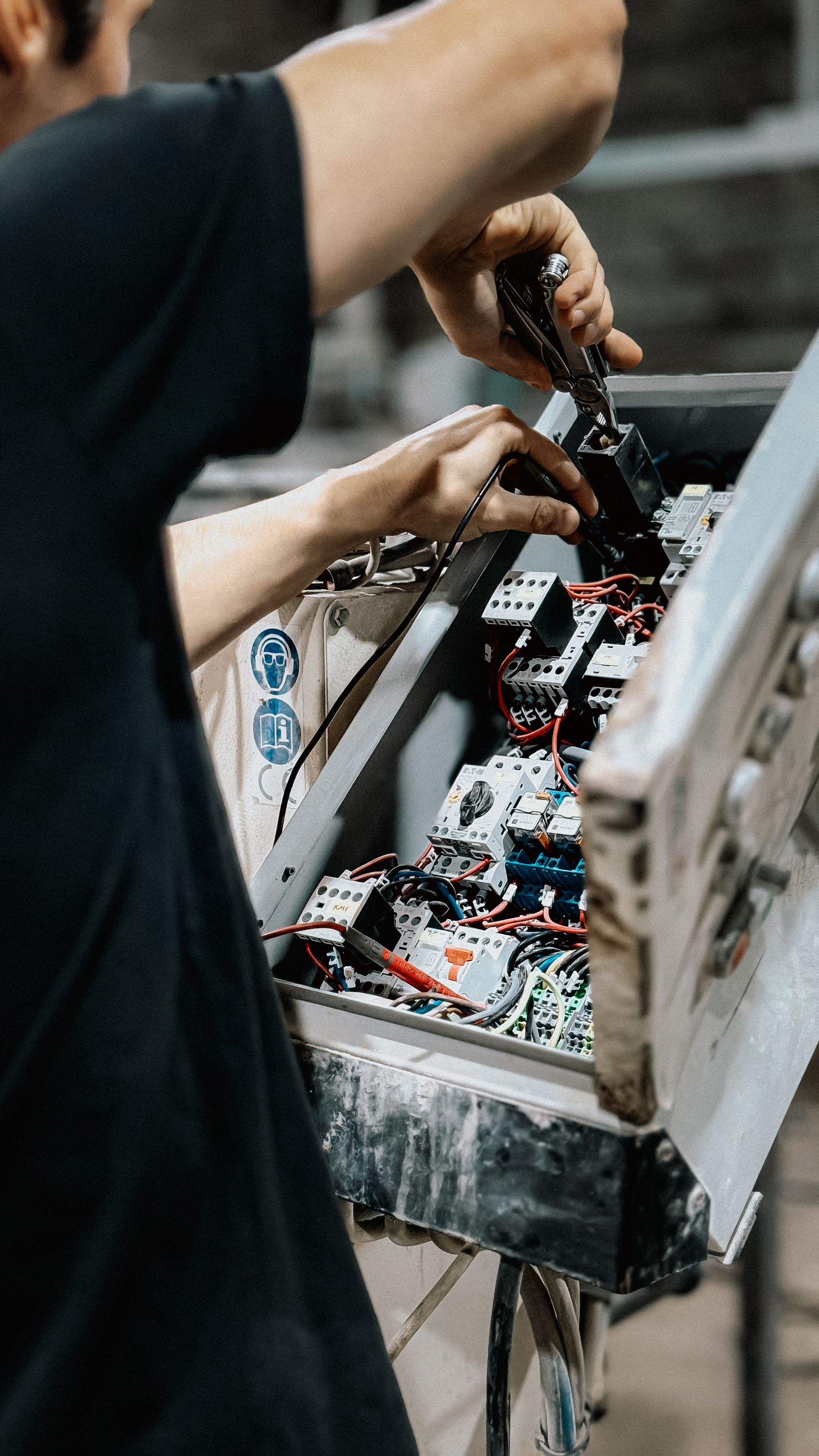
Variable frequency drives, main control boards, and relays can degrade due to electrical surges, heat, or age. In Dubai's climate, machine rooms that are not adequately climate-controlled can shorten the lifespan of sensitive electronics.
Suspension and Guidance Parts
Traction elevators rely on ropes, sheaves, and guide shoes that wear gradually and require scheduled inspection and replacement according to manufacturer intervals.
Safety Components
Governors, safety gear, buffers, and emergency brake systems are inspected regularly under UAE civil defense and municipality requirements, and any component found to be out of tolerance must be replaced promptly, not postponed.
Cabin Finishes and Fixtures
Handrails, mirrors, flooring, ceiling panels, and button stations take the most visible wear from daily passenger use. While these are rarely urgent from a safety standpoint, a building's lobby and lift interior are part of its first impression, and worn fixtures reflect poorly on an otherwise well-maintained property. Being able to source matching replacement finishes years after installation avoids an awkward mismatch of old and new materials inside the cabin.
What to Look for in an After-Sales Support Agreement
Beyond parts availability, the quality of after-sales support determines how smoothly a building operates over the elevator's lifecycle. When evaluating a supplier's after-sales commitment, building owners and facility managers should ask:
- Response time guarantees: What is the committed callout time for a breakdown versus a routine service request?
- Local parts stock: Does the supplier hold common wear-and-tear parts in the UAE, or does every order ship from overseas?
- Technician training: Are local service technicians factory-trained on the specific product line installed in the building?
- Warranty terms: What is covered, for how long, and does the warranty remain valid if a third party performs maintenance?
- Scalability for multi-building portfolios: For developers and facility management companies overseeing several properties, can the supplier support a standardized maintenance program across all sites?
Planning for Long-Term Ownership, Not Just Installation
Elevators are long-term assets, often remaining in service for 20-25 years before modernization becomes necessary. A procurement decision made purely on upfront price, without factoring in spare parts continuity, after-sales responsiveness, and technical support, can result in significantly higher lifecycle costs further down the line.
Developers, contractors, and procurement teams evaluating elevator suppliers for new projects in Dubai, Abu Dhabi, or Sharjah should treat after-sales infrastructure as a core part of the specification process, not an afterthought discussed only once the equipment is already installed.
Questions Worth Raising Early in the Procurement Process
- Does the manufacturer maintain a regional sales and support office, or is support handled remotely from overseas?
- Can the manufacturer supply documentation proving component standardization across its product range?
- What is the manufacturer's track record on units already operating in the UAE?
- If the project involves multiple buildings or phases, can the same parts and controller platform be used across all of them to simplify future stock-keeping?
- Is there a clear escalation path if a part is genuinely unavailable, rather than the request simply going unanswered?
These questions are easiest to answer during the tender or specification stage, while competing suppliers can still be compared side by side. Once a contract is signed and the elevator is installed, a building owner's leverage to negotiate better long-term support terms is largely gone.
How Fuji Lifts Global Supports Buildings After Handover
Fuji Lifts Global's position as a manufacturer with a dedicated Middle East sales office in Dubai means customers are working directly with the source of their equipment, not an intermediary. This structure supports faster identification of the correct spare part, clearer technical communication, and a more direct line of accountability throughout the elevator's operational life.
For developers, contractors, and building owners planning new installations or evaluating the long-term support behind their existing lifts, understanding a manufacturer's full capabilities — from initial specification through decades of service — is essential. Learn more about Fuji Lifts Global's manufacturing capabilities and regional presence on the Fuji Lifts Global homepage.
Conclusion
Spare parts availability and after-sales support are not secondary considerations in an elevator purchase — they are central to how well a building functions for decades to come. Choosing a factory-direct manufacturer with a genuine regional presence, standardized components, and transparent technical support reduces downtime risk and protects the long-term value of the investment.
To discuss spare parts continuity, after-sales support options, or a new elevator project in the UAE, contact the Fuji Lifts Global team and speak directly with the manufacturer behind your lift.
