Hospital Elevators in Dubai: A Complete Guide to Medical-Grade Lifts for Healthcare Facilities
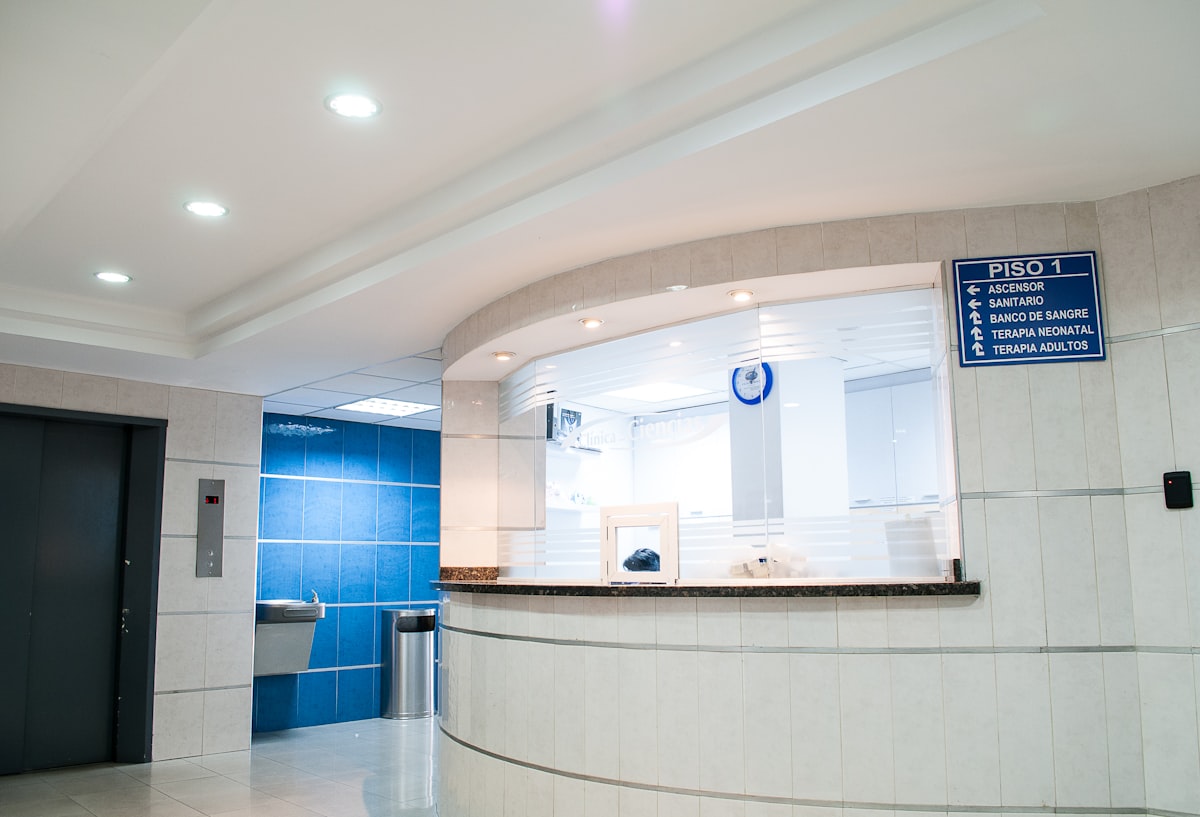
Dubai's healthcare sector is expanding at a remarkable pace. With billions of dirhams invested in new hospitals, clinics, and specialist medical centres across the emirate, demand for high-performance hospital elevators has never been greater. Unlike standard passenger lifts, medical-grade elevators must meet a unique set of requirements — from oversized cabins that accommodate hospital beds and stretchers to contamination-resistant surfaces and fail-safe reliability.
This guide covers everything developers, architects, and facilities managers need to know when specifying and procuring hospital elevators in Dubai and across the UAE.
Why Hospital Elevators Are Different
A hospital elevator is not simply a larger version of a standard passenger lift — it is a critical piece of medical infrastructure. When a lift goes out of service in a residential building, it is an inconvenience. When a hospital elevator fails, it can directly impact patient safety and emergency response times.
Medical facilities require lifts engineered specifically for healthcare environments. This means stricter performance standards, specialised interior specifications, and compliance with both UAE building codes and international healthcare facility guidelines.
Key Differences Between Hospital and Standard Elevators
- Larger cabin dimensions: Hospital elevators must accommodate hospital beds, stretchers, wheelchairs, and medical equipment — often requiring cabins rated at 2,000 kg or more.
- Wider door openings: Standard doors of 800–900 mm are insufficient. Hospital lifts typically require openings of 1,100–1,400 mm.
- Smooth, hygienic surfaces: Interior finishes must be easy to disinfect and resistant to cleaning chemicals. Stainless steel and antimicrobial laminates are standard.
- Low vibration and soft starts: Smooth acceleration and deceleration protect patients during transport and reduce motion-related discomfort.
- Emergency power integration: Hospital lifts must remain operational during power outages, with automatic connection to the building's backup generator.
- Priority call systems: Medical staff and emergency responders must be able to summon and control lifts instantly, overriding normal passenger traffic.
Dubai's Healthcare Construction Boom: A Growing Market for Specialist Lifts
Dubai and the wider UAE are in the midst of one of the region's most ambitious healthcare infrastructure programmes. Flagship projects such as the expansion of Dubai Health Authority facilities, new private hospitals in Jumeirah and Business Bay, and major medical complexes in Dubai Healthcare City are creating sustained demand for medical-grade vertical transportation equipment.
The Dubai 2040 Urban Master Plan places strong emphasis on healthcare capacity, with significant new floor area planned for hospitals and specialist clinics over the coming decade. For developers and contractors working on these projects, selecting the right elevator supplier at the specification stage is critical to both project success and long-term operational performance.
Types of Elevators Used in Hospitals
1. Bed and Stretcher Elevators
The most commonly specified type in acute care hospitals. These lifts are designed to transport patients on hospital beds or stretchers between floors, with cabins typically measuring 2,400 × 1,400 mm or larger. Load ratings of 1,600 kg to 2,500 kg are standard for this application, and pass-through (front and rear) door configurations are frequently required.
2. Visitor and Staff Passenger Elevators
Dedicated passenger elevators for visitors, outpatient areas, and non-clinical staff reduce congestion in patient-transport lifts and support infection control protocols. These follow standard passenger elevator specifications but are typically fitted with antimicrobial button panels and easy-clean interior finishes.
3. Service and Goods Elevators
Hospitals generate significant volumes of linen, clinical waste, pharmaceuticals, catering supplies, and medical equipment that must move between floors without sharing patient-facing lifts. Heavy-duty service elevators with robust interiors and high-duty-cycle motors are essential for smooth hospital logistics operations.
4. Mortuary Elevators
A sensitive but essential component of hospital design. Dedicated mortuary lifts transport deceased patients discreetly and separately from clinical areas, with specific dimensional requirements, restricted access controls, and carefully considered routing within the building plan.
Critical Specifications to Define When Procuring Hospital Elevators
When preparing specifications or requesting quotations for hospital elevators in Dubai, the following parameters must be clearly defined to ensure you receive accurate, comparable proposals:
- Load capacity: Minimum and maximum rated loads based on intended use — bed transport, staff, or goods.
- Cabin dimensions: Internal width × depth × height, based on the largest items the lift must accommodate.
- Door configuration: Single-panel, two-panel, or pass-through (front and rear) openings.
- Travel speed: Typically 1.0–1.6 m/s for hospital applications, with smooth start/stop acceleration profiles.
- Number of stops: Total floors served, including any dedicated service or restricted-access levels.
- Control system: Collective control, priority call, or full building management system (BMS) integration.
- Interior finish: Stainless steel grade, antimicrobial laminates, handrail positioning, and floor covering specifications.
- Emergency power: Automatic rescue device (ARD) and generator compatibility requirements.
UAE and Dubai Regulatory Requirements for Hospital Elevators
All elevators installed in Dubai must comply with Dubai Civil Defence requirements and the UAE Fire and Life Safety Code. For hospital applications, additional requirements apply under healthcare facility licensing regulations administered by the Dubai Health Authority (DHA) and Department of Health Abu Dhabi (DoH).
Key compliance considerations include:
- Minimum cabin sizes for bed-accessible lifts as specified under healthcare facility design standards
- Emergency recall systems integrated with the hospital's fire alarm and emergency management infrastructure
- Mandatory annual inspection and maintenance records as required by Dubai Municipality
- Internationally certified components (CE marking or equivalent) where stipulated by the project specification
- Infection-control-compliant interior materials meeting healthcare hygiene standards
Working with an experienced elevator supplier who understands Dubai's regulatory environment is essential to avoid costly redesigns or approval delays during the construction and handover process.
MRL vs Conventional Machine Room Hospital Elevators
Machine room-less (MRL) technology has become the default for most commercial and residential projects in Dubai, but hospital procurement teams should evaluate both options carefully before committing.
MRL elevators offer space savings and are well-suited to visitor and staff lifts in medium-rise hospital buildings. However, for high-capacity bed lifts in large acute-care complexes, conventional machine room systems may offer advantages in motor power, serviceability under high duty cycles, and long-term reliability when components require replacement.
The right choice depends on building height, traffic volume, load requirements, and the hospital's maintenance programme. A qualified elevator consultant or experienced manufacturer should be engaged from the early design stage to inform this decision.
Maintenance and Lifecycle Considerations
Hospital elevators operate under far more demanding conditions than commercial or residential lifts. A major hospital may see its bed lifts complete hundreds of trips per day — compared to tens of trips in a typical office building. This high duty cycle demands a proactive approach to maintenance and lifecycle planning:
- Comprehensive preventive maintenance contracts with monthly inspections as a minimum frequency
- 24/7 emergency callout availability — hospitals cannot tolerate extended elevator downtime under any circumstances
- In-country spare parts availability within the UAE for rapid component replacement
- Remote monitoring capability to detect faults before they develop into failures
- Planned modernisation programme aligned with the hospital's long-term capital expenditure planning
When selecting an elevator supplier, procurement teams should evaluate not just the initial purchase price but the full lifecycle cost — including maintenance contracts, spare parts availability, and modernisation over a 20–25 year operational life.
Factory-Direct Supply: Advantages for Large Healthcare Projects
For major hospital projects requiring multiple elevator types and units, sourcing directly from a manufacturer offers significant advantages over purchasing through local distributors or subcontractors at a markup.
Factory-direct supply provides:
- Full customisation of cabin dimensions, door configurations, finishes, and control systems to meet project-specific requirements
- Competitive pricing through elimination of intermediary margins — particularly important on projects with 10–50+ units
- Direct technical support from the manufacturer's engineering team throughout design, installation, and commissioning
- Consistent quality across all units from a single production facility with traceable manufacturing records
- Transparent production timelines and delivery scheduling aligned to the construction programme
With Dubai's healthcare construction projects often requiring substantial quantities of lifts across multiple types and specifications, the savings and specification advantages of direct-from-factory procurement are material to project budgets and outcomes.
Fuji Lifts Global: Hospital Elevator Supplier for Dubai and the UAE
At Fuji Lifts Global, we manufacture hospital-grade elevators at our production facility in Suzhou, China, with over 25 years of engineering experience and more than 1,600 units produced annually. Our hospital elevator range covers bed and stretcher lifts, dedicated staff and visitor passenger lifts, and heavy-duty service elevators — all available with fully customised specifications to meet UAE healthcare project requirements.
As a factory-direct supplier with a Middle East sales office in Dubai, we work directly with developers, main contractors, and project procurement teams from initial specification through to installation, commissioning, and ongoing aftermarket support. Learn more about Fuji Lifts Global's manufacturing capabilities and project experience.
Request a Hospital Elevator Specification and Quotation
If you are working on a hospital, clinic, rehabilitation centre, or healthcare facility project in Dubai or anywhere across the UAE, our technical team can help you define the right elevator specifications and provide a competitive, factory-direct quotation tailored to your project.
Contact Fuji Lifts Global at +971 50 824 5473 or email [email protected] to discuss your requirements. With the right medical-grade lifts specified from the outset, your healthcare facility will be equipped for decades of reliable, safe, and efficient vertical transportation — protecting patients, supporting clinical staff, and sustaining your operational performance for the long term.
