Elevator Modernization in Dubai: When to Upgrade Your Old Lift and What to Expect
Dubai's skyline is a testament to ambition — towers that were considered futuristic just two decades ago are now part of the city's established fabric. But while the exteriors of these buildings remain as impressive as ever, the elevators inside many of them are showing their age. Outdated control systems, sluggish rides, frequent breakdowns, and rising maintenance bills are telling signs that an elevator has reached the end of its effective service life.
The good news is that a full elevator replacement is rarely necessary. Elevator modernization — upgrading key components of an existing lift — can restore performance, improve safety, and dramatically reduce running costs at a fraction of full replacement cost. For building owners and facilities managers across Dubai and the UAE, modernization is rapidly becoming the smart choice for ageing vertical transportation systems.
In this guide, we walk through everything you need to know: the warning signs that your lift is due for an upgrade, what a modernization project involves, what it costs in the UAE market, and how to stay compliant with local regulations.
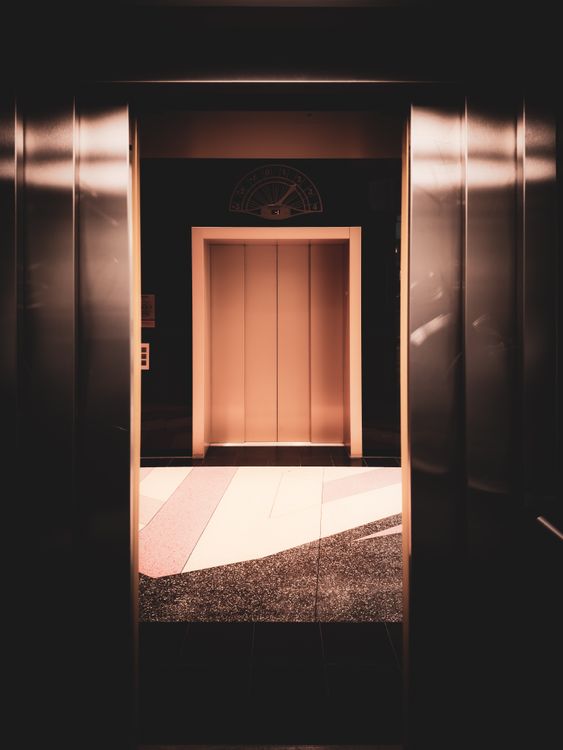
What Is Elevator Modernization?
Elevator modernization — also called lift refurbishment or lift upgrading — refers to the process of replacing or upgrading specific components of an existing elevator system without removing the entire shaft structure or building a new elevator from scratch. The lift's hoistway, machine room, and structural framework are typically retained, while the systems that govern performance, safety, and appearance are updated to modern standards.
Depending on the scope, modernization can involve the control system, drive and motor, cabin interior, door equipment, safety devices, and more. A partial modernization targets one or two underperforming systems; a comprehensive modernization effectively creates a new lift within the original structure at significantly lower cost and disruption than a full replacement.
7 Warning Signs Your Elevator Needs Modernization
How do you know when an elevator has crossed the line from routine maintenance territory into modernization required? Here are the key indicators to watch for.
1. The Elevator Is More Than 15–20 Years Old
Most elevator components are designed for a 20–25 year service life. If your building's lifts were installed in the early 2000s or before, critical components — particularly the control systems and drive machinery — are likely approaching or past their optimal lifespan, even if the elevator is still running.
2. Breakdowns Are Becoming More Frequent
Occasional call-outs are normal for any mechanical system. But if your maintenance contractor is visiting more than once a month, or if you're facing the same recurring faults, you're spending money patching a system that needs to be renewed. Spare parts for older elevator models also become harder to source over time, driving repair costs even higher.
3. Slow, Jerky, or Noisy Operation
An elevator that jolts at landings, vibrates throughout the ride, or creeps between floors is signalling worn mechanical components or an outdated drive system. These performance issues directly affect building residents and commercial tenants — in Dubai's competitive property market, a poor elevator experience can influence leasing decisions and property values.
4. Outdated Control and Drive Technology
Older relay-logic or analogue control systems lack the efficiency, diagnostics, and integration capabilities of modern microprocessor-based controllers. Legacy hydraulic drives are particularly energy-intensive compared to today's Variable Voltage Variable Frequency (VVVF) traction systems. Modernizing the control and drive systems alone can cut elevator energy consumption by 30–40%.
5. High and Rising Energy Bills
In a hot climate like Dubai's, where mechanical systems run almost continuously, elevator energy costs represent a meaningful share of a building's utility spend. If your lifts were installed before regenerative drive technology became standard, upgrading the drive system will generate a measurable return on investment through reduced electricity consumption month after month.
6. Cabin Condition and Aesthetics
First impressions matter. Scuffed panels, worn flooring, outdated lighting, and malfunctioning buttons all signal neglect to residents, visitors, and potential tenants. A cabin interior refurbishment — new wall panels, LED lighting, modern display systems — is one of the fastest ways to improve the perceived quality of a building without major structural work.
7. Non-Compliance with Current UAE Standards
UAE elevator safety standards have evolved significantly over the past decade. Elevators that predate current Dubai Municipality and ESMA (Emirates Authority for Standardisation and Metrology) requirements may lack mandatory safety features such as automatic rescue devices, overload protection, updated door safety systems, or fire service mode compliance. Non-compliant lifts expose building owners to regulatory risk and potential shutdown orders.
Key Components of an Elevator Modernization Project
The scope of modernization varies depending on the elevator's age, condition, and the building owner's objectives. Here are the most common upgrade components:
Control System Upgrade
Replacing an old relay-based or analogue controller with a modern microprocessor control system is the foundation of most modernization projects. New controllers deliver smoother dispatching, better floor levelling accuracy, remote monitoring capability, and compatibility with smart building management systems. This upgrade alone dramatically improves ride quality and reliability.
Drive System and Motor Replacement
Upgrading from an older hydraulic or AC two-speed drive to a modern VVVF traction drive provides significant improvements in ride smoothness, energy efficiency, and landing accuracy. For hydraulic elevators in particular, converting to a traction-based system can eliminate oil maintenance requirements and reduce running costs substantially over the building's lifetime.
Cabin Interior Refurbishment
New interior panels in stainless steel, laminate, or glass; LED lighting systems; modern position indicators; updated call buttons; and new flooring transform the passenger experience instantly. Interior refurbishment is also the most visible modernization element — one that residents and tenants notice from the very first ride.
Door System Upgrade
Modernizing the door operator and installing advanced door safety devices — including full-height light curtains that detect obstructions across the entire door opening — improves both safety and reliability. Older elevators with reduced-beam safety edges are a particular concern from a compliance standpoint and should be prioritized in any upgrade scope.
Safety and Rescue Devices
Current UAE standards require features such as automatic rescue devices (ARD), which gently move the elevator to the nearest floor during a power outage; updated speed governors and buffers; and load-weighing systems. Retrofitting these devices brings older elevators into compliance with modern safety requirements and reduces liability for building owners.
Modernization vs Full Replacement: Which Is Right for You?
The decision between modernizing and replacing an elevator comes down to a straightforward assessment of structural condition, scope of required upgrades, and cost. If the hoistway structure, guide rails, and car frame are in sound condition, modernization will typically cost 30–50% less than full replacement while achieving comparable performance outcomes.
The downtime required is also significantly shorter — a comprehensive modernization usually takes two to four weeks per elevator, compared to several months for a full replacement installation. For residential buildings where elevator access is critical to daily life, this difference in disruption is significant.
Full replacement makes more sense when the existing lift is hydraulic with a deteriorating cylinder, when shaft dimensions are inadequate for modern equipment, or when the building owner wants to change the elevator type or add capacity. A qualified lift specialist can assess your existing installation and give a clear, evidence-based recommendation.
Elevator Modernization Costs in Dubai
Costs in the UAE market vary depending on the scope of work, the elevator's existing condition, and the specification of replacement components. As a general guide for Dubai and the broader UAE:
- Control system upgrade only: AED 25,000 – 60,000 per elevator
- Cabin interior refurbishment: AED 15,000 – 40,000 per elevator
- Drive system and motor replacement: AED 30,000 – 80,000 per elevator
- Comprehensive modernization (all major systems): AED 80,000 – 180,000+ per elevator
These figures should be weighed against the ongoing cost of maintaining aged equipment, potential regulatory penalties for non-compliant lifts, and the energy savings that modern systems deliver. For most buildings with elevators older than 15 years, a comprehensive modernization pays for itself within five to eight years through reduced maintenance and energy costs alone.
Working with a factory-direct supplier rather than a middleman distributor can reduce equipment costs significantly, making modernization even more financially attractive. At Fuji Lifts Global, our direct-from-factory supply model means you pay manufacturing cost — not inflated retail margins.
UAE Elevator Regulations: What Building Owners Need to Know
Dubai Municipality and ESMA (Emirates Authority for Standardisation and Metrology) regulate elevator safety through a framework that aligns with international standards including EN 81-20/50 and ASME A17.1. Compliance is not optional — elevators operating in Dubai must meet these standards and are subject to periodic inspection.
Key regulatory requirements that older elevators often fail to meet include:
- Full-height door protection devices (light curtains replacing obsolete reduced-beam safety edges)
- Automatic rescue devices for power failure situations
- Pit ladder, lighting, and stop switch requirements
- Load-weighing and overload protection systems
- Fire service operation mode compliance
- Updated machine room ventilation and temperature management
Building owners should note that during routine inspections, non-compliant elevators can be ordered out of service until deficiencies are corrected. Proactive modernization to bring lifts into compliance is always preferable — and far less disruptive — than reactive remediation following a regulatory notice.
The team at Fuji Lifts Global can provide a no-obligation compliance assessment of your existing elevator installation, identifying any gaps against current UAE standards and outlining the most cost-effective path to full compliance.
Planning a Successful Elevator Modernization Project
A well-executed modernization begins with a thorough technical survey of the existing installation. A qualified engineer should assess the condition of the hoistway, structural components, existing wiring, and all mechanical systems — and produce a detailed scope of works with clear specifications for replacement equipment.
Key planning considerations include:
- Phasing: For multi-elevator buildings, stagger the modernization so at least one lift remains in service at all times
- Resident communication: Notify residents well in advance with clear timelines for each phase of work
- Specification: Define the performance standard you want to achieve — ride quality, speed, capacity, energy rating — before accepting supplier proposals
- Warranty: Ensure replacement components carry a minimum 12-month manufacturer's warranty, with clearly defined terms for ongoing maintenance support
- Permits: Obtain the necessary Dubai Municipality approvals before work commences to avoid delays and compliance complications
Modernize Your Elevator with Fuji Lifts Global
With over 25 years of elevator manufacturing experience and a direct-from-factory supply model, Fuji Lifts Global is a trusted partner for elevator modernization projects across Dubai and the UAE. We manufacture over 1,600 elevator units annually at our production facility in Suzhou, China, and serve developers, building owners, contractors, and facility managers throughout the region from our Dubai office at Central Plaza, DIP 1.
Our team provides end-to-end support: technical survey and compliance assessment, modernization scope definition, supply of factory-direct components, installation coordination, and post-completion maintenance. Whether you need a targeted control system upgrade or a comprehensive refurbishment of your entire lift fleet, we have the expertise and product range to deliver to the highest standards.
Contact us today at +971 50 824 5473 or [email protected] to arrange a free assessment of your building's elevator systems. Explore our full range of elevator solutions at fujiliftsglobal.com and take the first step toward a safer, more efficient, and more comfortable vertical transportation system for your building.
